

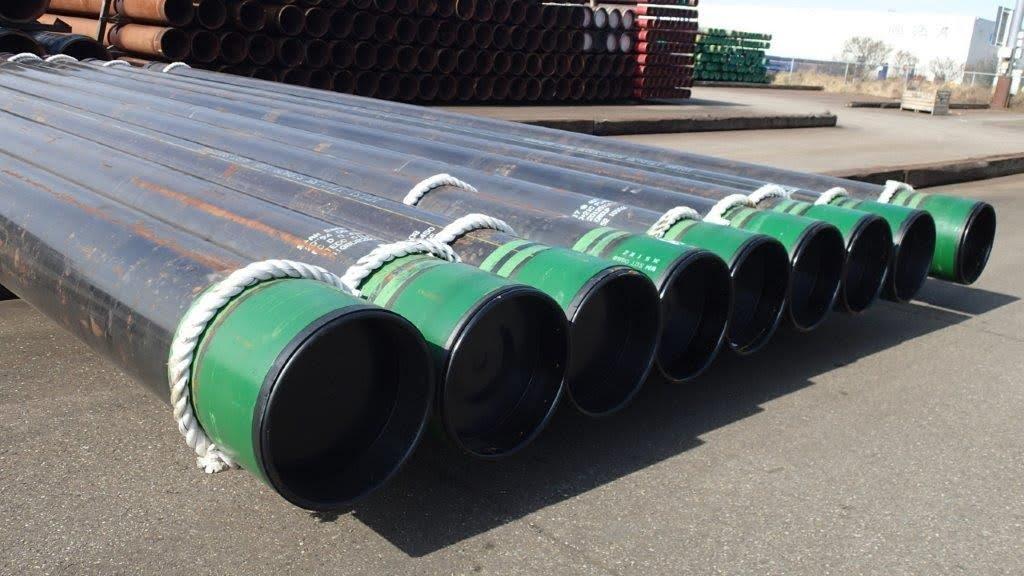
Selecting the right oil country tubular goods (OCTG) is a critical part of well planning. Every well presents different demands, from its pressure profile to the fluids it produces and the environment it operates in. As a result, OCTG is not a one-size-fits-all product. The pipe, grade, connection and accessories must all be selected with the specific well conditions in mind.
Choosing the wrong OCTG specification can affect well integrity, safety, project delivery and long-term performance. In this blog, we explore the key factors that influence OCTG selection, including casing and tubing requirements, sour service considerations, chrome tubing and the value of working with an experienced OCTG supply partner.
What are the key well conditions that influence OCTG selection?
Selecting the correct OCTG starts with having a clear understanding of the well environment. Depth, geometry, pressure, temperature, produced fluids, well type and operating location all influence the final specification. Deep wells place greater axial loads on the pipe string, while deviated, horizontal or extended-reach wells can introduce bending stress and wear that affect grade and connection selection.
Pressure, temperature and fluid composition are equally important. High-pressure wells may require tubular goods with elevated yield strength, while depleted zones can create collapse risks where external pressure exceeds internal pressure. Corrosive species such as H₂S, CO₂, chlorides and oxygen may require sour service grades, chrome tubing or other corrosion-resistant products, particularly in offshore, injection or carbon capture applications. Location can also shape OCTG supply decisions, from lead times and accessories to wider supply chain planning.
How should operators decide between OCTG tubing and casing products for different stages of a well?
Casing and tubing pipe are both classified as OCTG, but they perform different roles. Casing is installed during drilling to stabilise the wellbore, isolate formations and protect freshwater aquifers. It must be selected to withstand the collapse, burst and axial loads expected at its depth and exposure conditions.

Tubing is installed inside the production casing after completion and carries produced fluids or injection fluids between the reservoir and surface. Because it is in direct contact with reservoir fluids, corrosion resistance and connection integrity are critical. It can also usually be retrieved and replaced, making it important for workover planning.
Key decision points include:
Casing selection is mainly driven by structural demands, including collapse resistance at depth and burst resistance during well control scenarios.
Tubing selection is mainly driven by internal pressure, flow conditions, corrosion risk and long-term production or injection performance.
Where H₂S or CO₂ is present, chrome tubing or CRA upgrades may offer added protection.
In HPHT wells, premium gas-tight tubing connections are essential for maintaining well integrity.
What OCTG pipe grades are most commonly used for challenging well environments?
OCTG grade selection depends on the strength, pressure and corrosion demands of the well. In sour service environments, L80 is one of the most commonly used grades, particularly where H₂S is present at low to moderate levels. Where higher strength is needed in sour conditions, grades such as T95 may be more suitable, provided they meet NACE MR0175 / ISO 15156 sour service standards.
For deep wells and high-pressure applications where sour conditions are not present, P110 is widely used because it offers a strong balance of performance, availability and cost. In the most demanding sweet service wells, such as ultra-deep, HPHT or extended-reach applications, Q125 may be specified.
Where CO₂ corrosion is a concern, chrome tubing or chrome grades such as 13Cr can provide additional protection. More aggressive environments involving CO₂, chlorides or moderate H₂S may require higher-alloy corrosion-resistant products. The right OCTG supply partner, such as Apex Tubulars, can help operators assess grade requirements, pipe availability and supply chain implications before selecting a specific product.
What are the risks of choosing the wrong OCTG specification for a well?
Choosing the wrong OCTG specification can create serious well integrity, safety and operational risks. If the selected pipe lacks the required strength or corrosion resistance, it can lead to metal loss, pitting, collapse, burst failure or premature tubing failure. In sour service environments, using a non-compliant grade can also increase the risk of sulphide stress cracking.
The commercial impact can be significant. Under-specified oil country tubular goods may result in costly workovers, production delays, regulatory exposure and reputational damage. Over-specifying products or accessories can also create unnecessary lead times and supply chain delays.
Correct OCTG selection should combine reservoir engineering, materials knowledge, regulatory requirements and supply chain awareness. Engaging an experienced OCTG supplier early in the well design phase can help operators reduce risk.
How does Apex Tubulars support clients when they need high-demand, hard-to-find or project-specific OCTG specifications?
When clients require high-demand or project-specific OCTG, Apex Tubulars combines technical product knowledge with a strong global sourcing network. The team has more than 100 years of combined experience in OCTG supply, with long-standing knowledge across pipe, products, accessories, inspection, completions and international supply chain requirements.
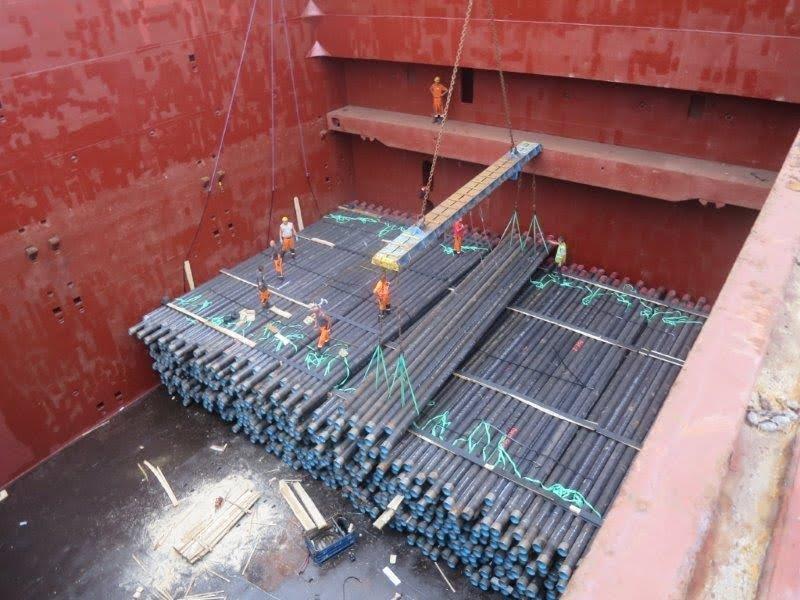
This experience is supported by Managing Director Jim Geddie and International Sales Manager Ronnie Grant, who together bring around 80 years of OCTG experience. With established contacts worldwide, practical OCTG knowledge and experience working within global markets, Apex Tubulars helps clients source hard-to-find specifications. The team can also identify supply solutions that meet both technical and project requirements.
What quality checks, certifications or preparation services should operators look for before OCTG is dispatched to site?
Before OCTG is dispatched, operators should look for new, certified and traceable stock that has been checked against the required specification. This helps ensure the pipe, accessories and associated oil country tubular goods arrive on site in the right condition and ready for use.
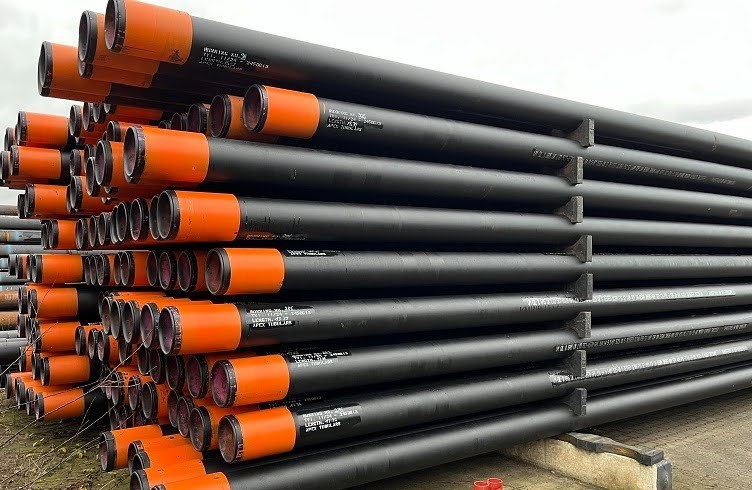
Apex Tubulars supplies certified OCTG products for the energy and oil and gas industries globally, taking responsibility for ensuring materials are delivered in perfect condition. As an ISO 9001 accredited company, we follow established quality procedures to support reliable OCTG supply from order through to delivery.
Can you share an example of how Apex helped a client source and deliver OCTG for a challenging project or location?
We have supplied OCTG products to challenging locations across the globe, including Papua New Guinea, South Africa and the Falkland Islands.
Most recently, the team supplied two wells’ worth of casing for Galp’s high-profile Namibia exploration campaign, demonstrating our ability to support complex OCTG supply requirements for international projects with professionalism and unrivalled customer service.