

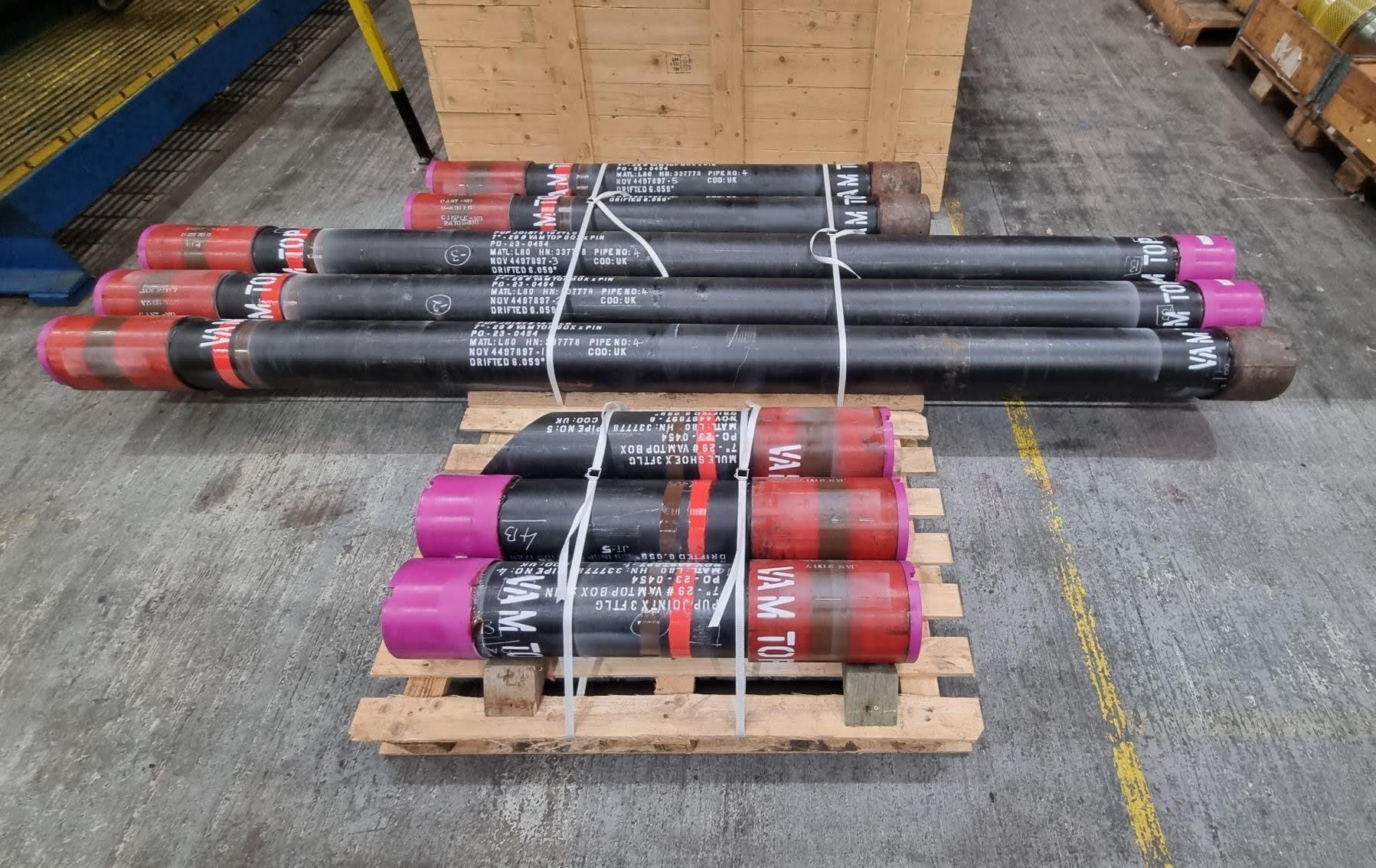
When operators consider their options for oil country tubular goods (OCTG), casing and tubing pipe are often the first products that come to mind. However, a well cannot be constructed safely or reliably without the accessories that support them.
These smaller components are often overlooked, but OCTG accessories each have a defined function within the wider well design. They play an important role in how well a casing string runs, cements and performs over its life, helping to support well integrity, pressure control and long-term performance. Here, we look at what these accessories are, why they matter and how working with an experienced OCTG supply partner can help operators source the right products for their well conditions and supply chain requirements.
What products are commonly included in oil country tubular goods (OCTG) accessories?
OCTG accessories are the components that support the running, cementing and functioning of casing and tubing strings. They do not form the main pipe body, but they are essential to getting the string safely to depth and preparing the well for the next stage of construction.
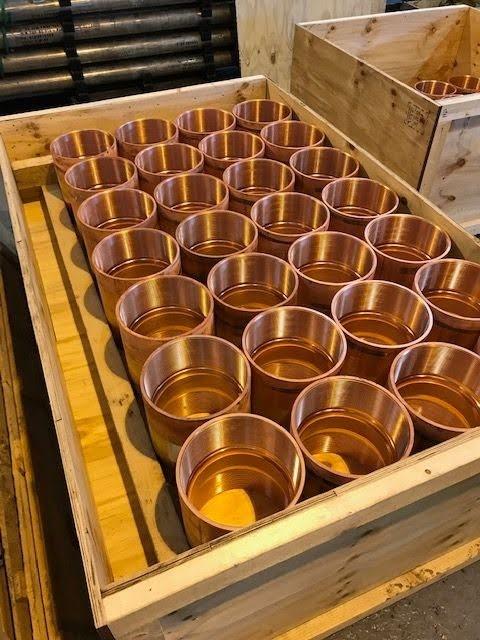
Common OCTG accessories include:
Float equipment and cementing accessories
Float shoes and float collars help guide casing to depth, prevent the backflow of cement and mud and support cementing operations. Landing joints, guide shoes, cementing plugs and stabbing guides also support the running and cementing process, helping operators manage installation, alignment and cement placement more effectively.
Centralisers and stop collars, bow-spring and rigid centralisers
Centralisers keep casing centred in the wellbore, helping cement distribute evenly around the pipe and supporting long-term well integrity. Stop collars, bow-spring and rigid centralisers help maintain the correct positioning along the string and support effective casing placement during running and cementing.
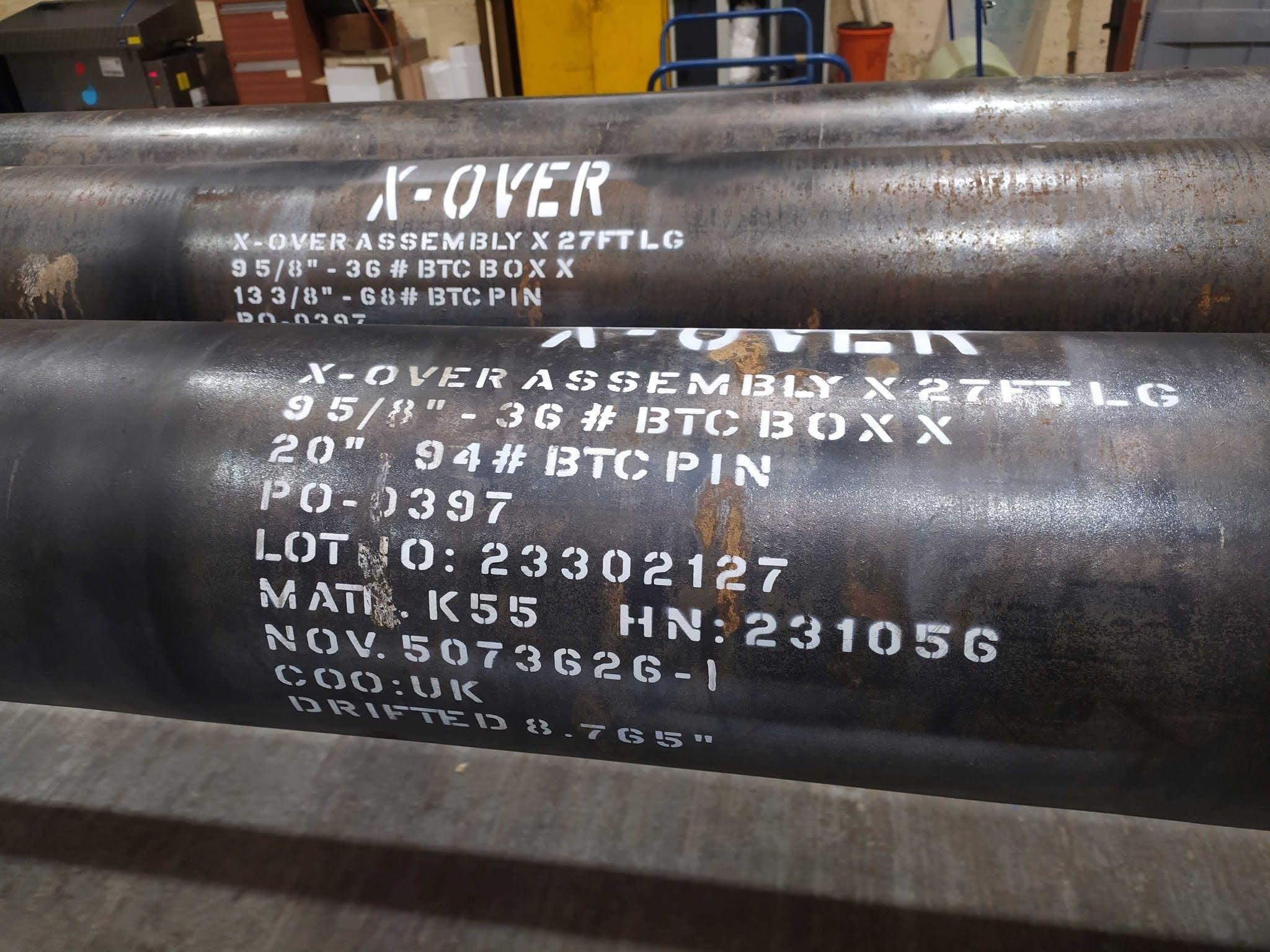
Couplings, X-overs and pup joints
These accessories connect pipe sections, transition between different sizes or connection types and help make up specific string lengths.
Protectors
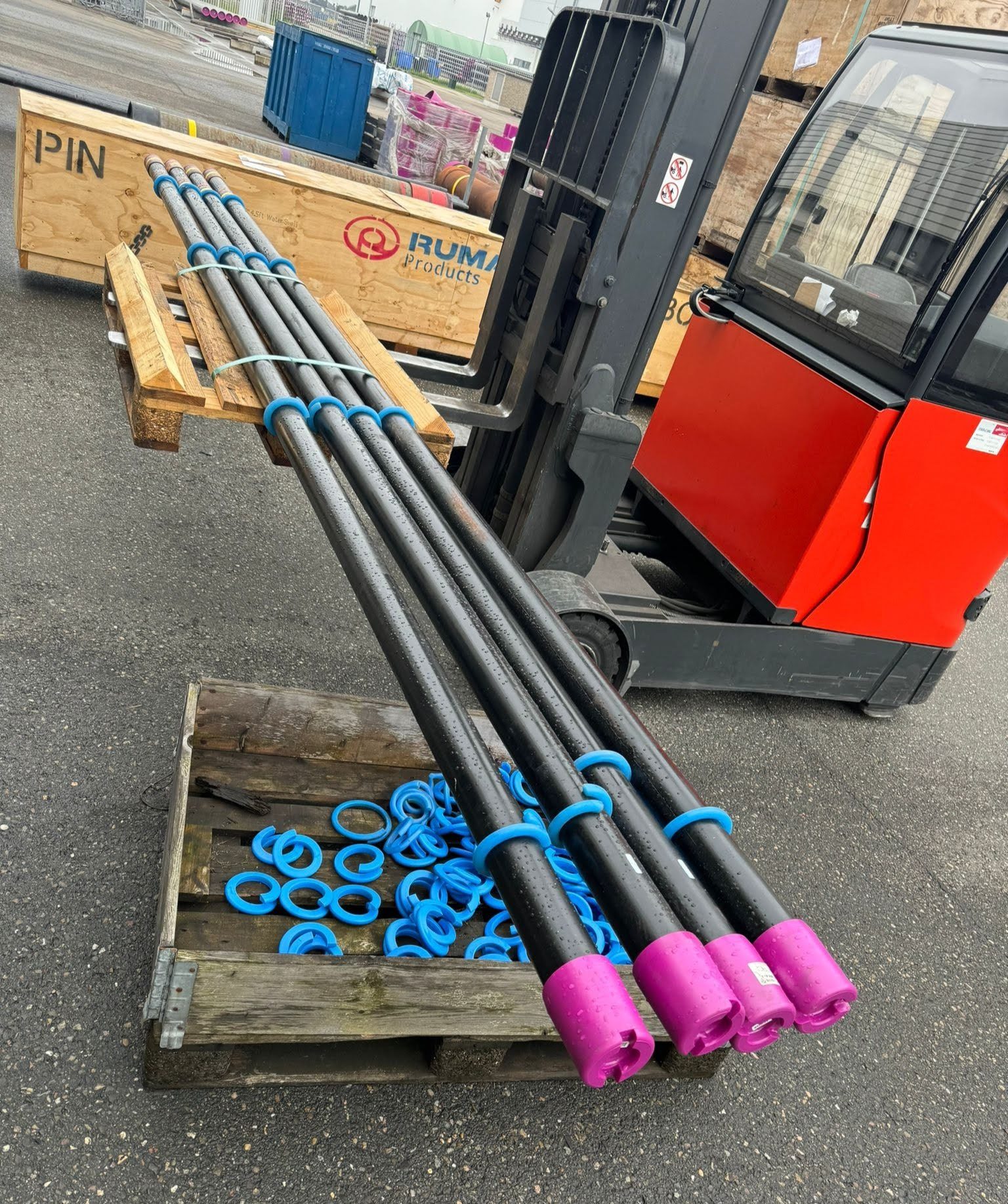
Thread protectors safeguard pipe connections during transport, storage and handling, and help reduce the risk of damage before the products reach site.
Whilst these OCTG accessories vary in size and complexity, each one is an important component in the safe and reliable performance of OCTG with a defined engineering role within the well design.
Why are OCTG accessories important in well construction?
OCTG accessories play a direct role in whether a casing string can be run and cemented as designed. For example, float equipment helps prevent cement or fluid from travelling back up the string during running, supporting well control and cementing performance, while centralisers help ensure cement forms evenly around the casing, which is essential for effective zonal isolation.
Because these components sit between the pipe, wellbore and cement, their performance can affect well integrity, pressure control and long-term production. Even when the correct casing grade or connection has been specified, the well can still underperform if the accessories supporting the string are not suitable for the job.
How do operators decide which OCTG accessories are needed for a specific well?
OCTG accessory selection is driven by the well design and the conditions the string will encounter. Rather than treating accessories as a generic parts list, operators need to consider how each product will perform alongside the casing, tubing and wider well construction plan.
Hole geometry and trajectory
Deviated, extended-reach or high dogleg-severity wells may require centralisers designed to reduce drag and avoid hang-ups. Specific float equipment may also be needed to support reliable operation during drilling, running and cementing.
Casing size, weight and connection type
Accessories must match the pipe's OD, ID and thread form exactly. This is particularly important where a specific product, premium connection or project-specific OCTG specification is required.
Cementing objectives
The required standoff and cement coverage help determine the type, spacing and quantity of centralisers needed. Getting this right supports even cement placement around the pipe and long-term well integrity.
Well environment
Temperature, pressure and the presence of H₂S or CO₂ can all influence material selection. Sour service, carbon capture, chrome tubing or high-pressure applications may require accessories selected to match the wider OCTG specification.
Operational risk
Running loads, torque and drag, well depth and float equipment reliability all need to be considered. This is especially important in complex drilling environments and deep wells, where unsuitable accessories can create costly issues.
This is why accessory selection should be carried out alongside casing design engineering, rather than treated as an afterthought once the tubular goods have already been ordered.
What are the risks of companies selecting the wrong OCTG accessories or using incompatible components?
Selecting the wrong OCTG accessories can create serious issues during operations. Mismatched connections, incompatible float equipment or accessories that do not suit the pipe specification can lead to running problems, failed cement jobs or delays during drilling.
Poor centralisation can also compromise cement placement, increasing the risk of poor zonal isolation, sustained casing pressure or long-term well integrity issues. If accessories are not rated for the well environment, such as sour service, high-temperature conditions or applications involving H₂S or CO₂, they may be more vulnerable to corrosion, premature failure or poor downhole performance.
In every case, the cost of correcting a problem after the string has been run and cemented is far higher than getting the specification right at the outset. This is why accessories should be selected as part of the wider OCTG supply package, with each specific product matched to the casing, tubing, connection type and well conditions.
What quality checks, certifications or traceability should operators expect for OCTG accessories?
Given the role OCTG accessories play in well construction, operators should expect full material traceability, documented inspection records and evidence that products meet recognised industry standards, including relevant API and ISO requirements. Certification should be treated as a core part of procurement, not a box-ticking exercise.
At Apex Tubulars, quality is built into the way accessories are supplied. We work to ISO 9001:2015 UKAS-accredited quality management standards, with services including visual thread inspection, full-length drifting and laser measurement to exact lengths. This gives operators confidence in dimensional accuracy, connection integrity and product suitability before accessories leave for the wellsite.
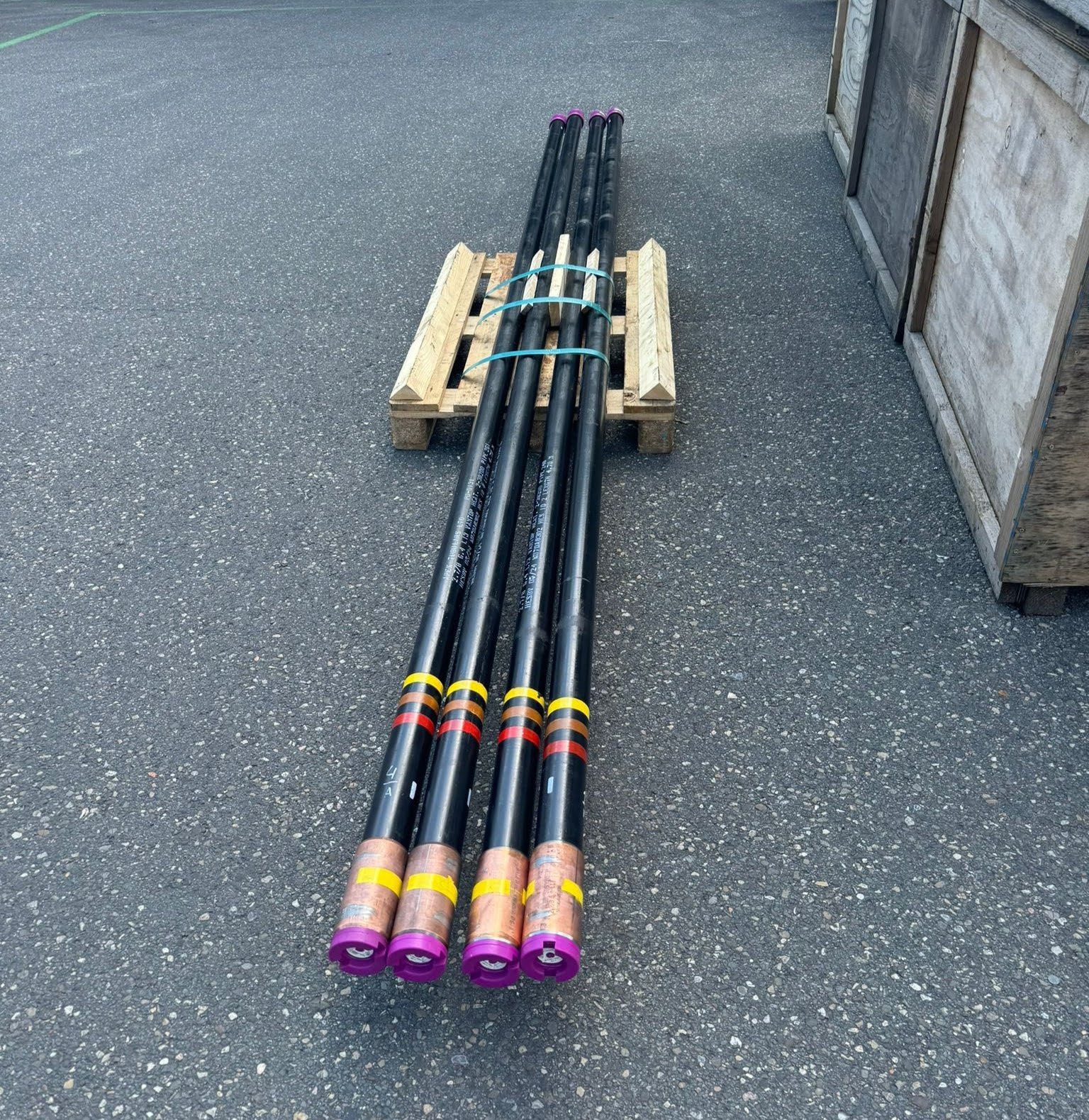
Apex also manages the fitting of float gear and centralisers as part of our OCTG supply service. By bringing these checks and preparation services together through one supplier, operators can reduce handling risk, protect the condition of the pipe and accessories and support a smoother supply chain from order through to delivery.
Are there certain accessories that are more difficult to source, especially for premium connections, chrome tubing, sour service or project-specific grades?
Yes, standard OCTG accessories for common casing sizes and API connections are usually straightforward to source. However, requirements can become more complex when a project involves premium connections, chrome tubing, sour service grades or bespoke OCTG specifications.
In these cases, accessories may need to be manufactured or machined to match a specific product, proprietary connection, material grade or non-standard pipe size and weight. Lead times, machine shop availability, material certification and wider supply chain constraints can all affect project planning.
This is where an experienced global supplier like Apex Tubulars can add real value. The team draws on over 40 years of product knowledge and established machine shop relationships to source accessories for a wide range of well environments, including sour service, chrome and high-chrome material. By managing accessory manufacturing, purchasing and fitting through a single point of contact, we are adept at reducing sourcing complexity and keeping the focus on delivering products that meet the technical and project requirements.
How does Apex Tubulars support customers across the energy industry with OCTG accessories as part of a wider supply package?
Apex Tubulars supports customers across the oil and gas industry and wider energy sector by supplying the required OCTG accessories as part of a wider pipe and tubular goods package. With one point of contact and one supplier responsible for coordinating the order, operators can reduce complexity across procurement, preparation and delivery. Through a long history of working across global markets, we have also established relationships with machine shops around the world, helping the team support short- and long-term OCTG supply requirements.

Getting OCTG accessories right is not just about the individual component. It is about understanding how each specific product performs as part of the full string, in the well it is being run into. By engaging a trusted global supplier like Apex Tubulars early, operators can benefit from clear traceability, practical product knowledge, project-specific support and reliable assistance from order through to on-time delivery.